2026-09-12
Written by Julian Reed Hall
A music rollout today reaches audiences across apps, social feeds, pop-up shows, and packed arenas. Where global artists, fashion houses, brands, and independent creatives constantly intersect, those raw moments—backstage confessions, entrance walks, the front-row reaction—can become the first way audiences encounter an artist’s work. Documenting those seconds is no longer an afterthought; it is the baseline of cultural relevance, and the person with the camera can decide whether a moment exists for millions or disappears into memory.
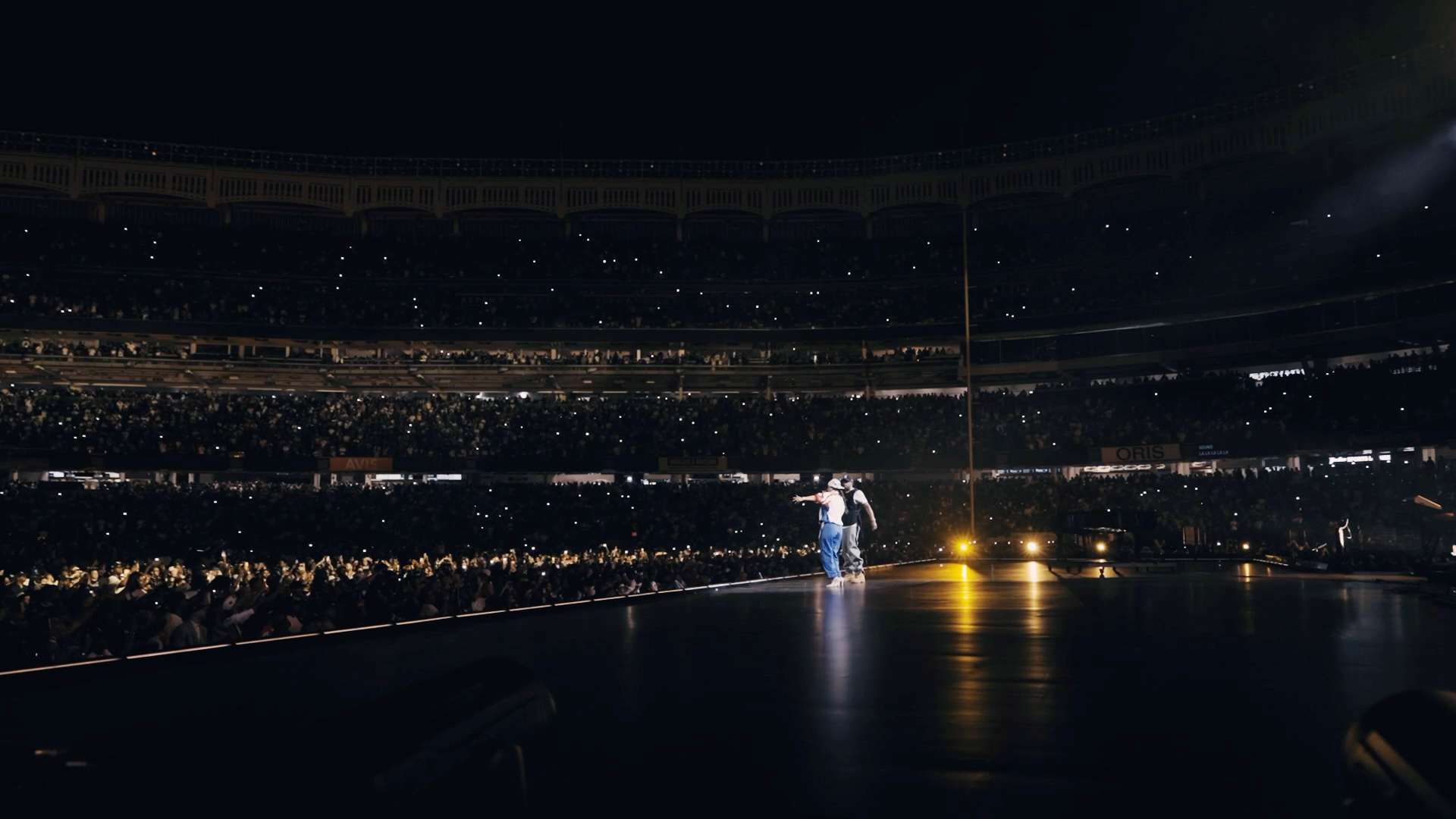
That responsibility is the daily reality for New York–based videographer Seyeon Bang. She does not shoot from the edges; she moves with the room, turning crucial seconds into footage that carries a campaign. Her footage on A$AP Rocky's AWGE collaborations with Ray-Ban and Puma passed 4.8 million views. She was on the floor for JAY-Z's record-setting Yankee Stadium run and has captured moments for events from J Balvin's Omertà album release party to the 40/40 Club's welcome video at Fanatics Fest.
The same visual demands are increasingly visible across live music and creative scenes, where footage from concerts, launches, fashion events, and cultural gatherings can travel globally within minutes. Whether the setting is New York or another major creative city, the challenge remains the same: capturing a moment with enough immediacy to make audiences feel as if they were there.
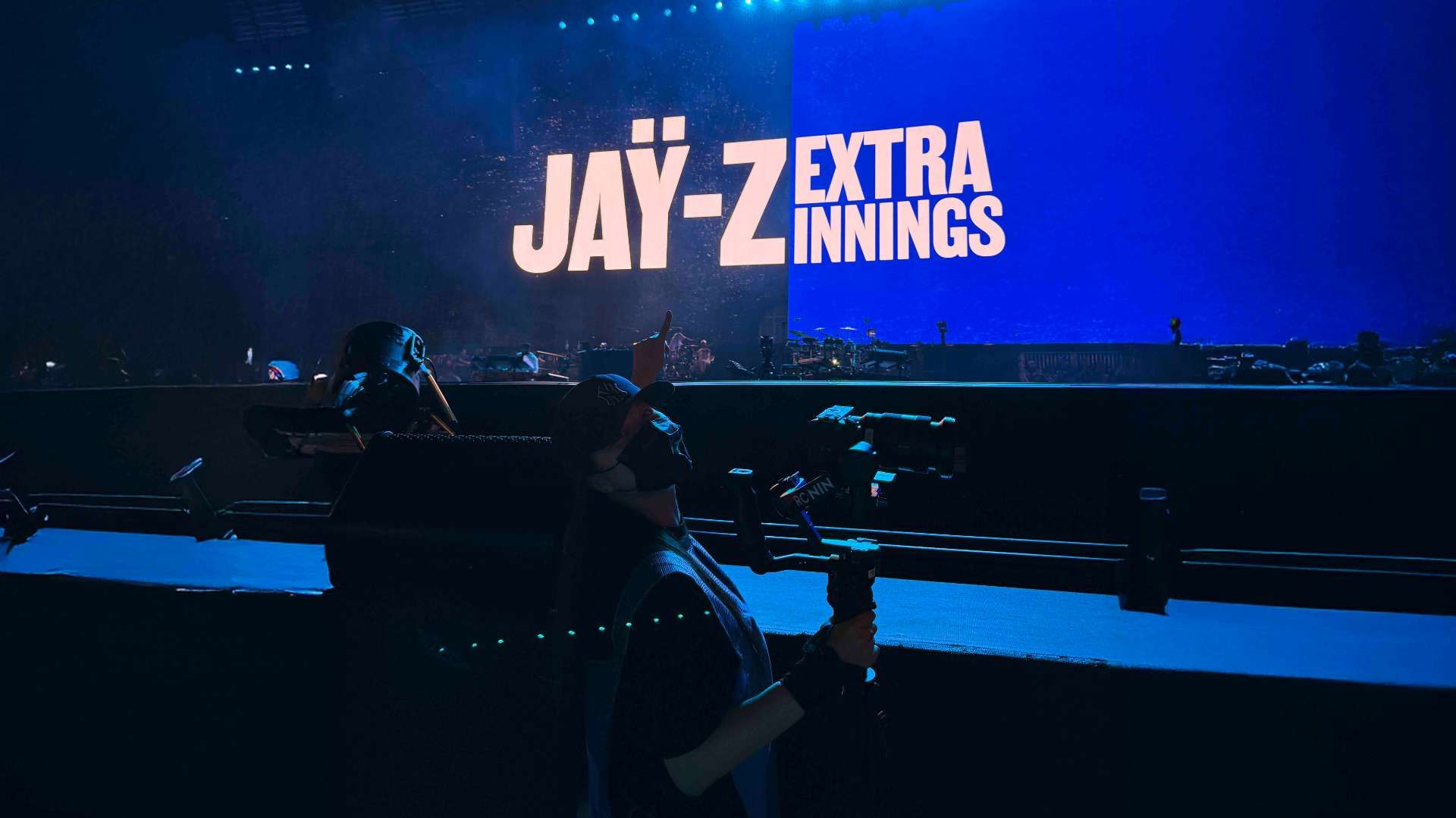
Filming live, unrepeatable events leaves no room for a second take. Bang’s edge is that she is composing the final piece as she shoots. Before she presses record she has already chosen the motion and texture the footage needs: will a gimbal’s tracking preserve the energy, or will handheld footage keep the moment honest? She sets frame rates on the fly, from 60 to 120 frames per second for high-speed movement to 23.976 for a filmic backstage pause. In her head she is building the edit while she moves through the crowd, so the footage arrives ready to live across stories, feeds, and campaign deliverables.
This ability is particularly relevant to the pace of today’s creative industry. From major venues and festivals to smaller independent shows, live footage increasingly has to work beyond the event itself. A few seconds captured in a venue can become an Instagram Reel, a campaign asset, a press image, or part of an artist's wider visual identity. The videographer is therefore not simply recording what happened; they are anticipating how the footage will be consumed afterward.
Her camera follows emotion more than a subject. In a darkened arena she will be on the hush before a set begins, and when the beat drops she will pivot from the performer to the faces nearest the stage. That instinct—knowing where the energy is about to move—lets her scale the work from a 45,000-seat stadium to the cramped intimacy of an indie set and still capture the moments that matter. It is a practiced rhythm: move with the room, read the crowd, and protect the spark when it appears.
That instinct translates naturally to diverse live environments. A major city can move from a sold-out arena performance to a warehouse show, gallery event, or intimate club set within the same week. Each environment demands a different visual language, but the underlying skill is the same: understanding where attention is about to shift before it happens.
Bang’s foundation is documentary practice. Trained in New York University's News and Documentary program, she approaches live capture with the patient eye of a documentarian. Her recent film, Safari, which she directed, shot, and edited alone, was named an official selection and a short-documentary finalist at the Queens World Film Festival. Documentary work teaches timing, restraint, and the willingness to wait so a real moment can occur, lessons she carries into every live set.
That approach also reflects the growing relationship between documentary filmmaking and live culture. In creative environments where music, fashion, film, and street culture overlap closely, audiences increasingly respond to footage that feels observed rather than manufactured. The ability to recognize an authentic moment—and resist over-directing it—can be as valuable as technical skill.
Seyeon Bang rejects the notion of the videographer as a passive recorder. She is a decision-maker who chooses where to stand, what lens to use, and what emotional scale the footage should carry. As brands, publications, and artists compete to make footage that feels genuine, her value is judgment: being in the right place, aimed at the right thing, at the one second that matters.
That principle extends across creative capitals like New York and other major cultural centers. In these environments, live culture moves quickly, audiences are highly visual, and a single moment can travel far beyond the room where it happened. The person behind the camera can determine whether that moment becomes part of an artist's campaign, a brand's identity, or a wider cultural conversation.



;)
;)


